AI Superpowers by Kai-Fu Lee: China, Silicon Valley, and the new world order explained
AI Superpowers argues that the global artificial intelligence contest has shifted from an "Age of Discovery" driven by elite research to an "Age of Implement...
Rest: Why You Get More Done When You Work Less by Alex Soojung-Kim Pang defines deliberate rest, meaning structured, skill-based recovery rather than passive...
Jon Acuff's 2017 book "Finish: Give Yourself the Gift of Done" puts perfectionism at the center of every unfinished goal. Laziness and a shortage of grit usu...
On Grand Strategy is a 2018 book by the Yale historian John Lewis Gaddis that defines grand strategy as the alignment of potentially unlimited aspirations wi...
The Gulag Archipelago is Aleksandr Solzhenitsyn's documentary reconstruction of the Soviet forced-labor camp system. He built it from the testimony of more t...
The Power of Moments by Chip Heath and Dan Heath, published by Simon & Schuster in October 2017, argues that a small number of short, engineered experiences ...
The Business of Good (2016) by Jason Haber defines social entrepreneurship as a market-driven discipline that dismantles entrenched social problems through ...
Bargaining for Advantage by G. Richard Shell defines negotiation as an information-based process built on six foundations: bargaining style, goals and expect...
The Bullet Journal Method is an analog organizational framework built by Ryder Carroll around four modular collections, an Index, a Future Log, a Monthly Log...
The Willpower Instinct is a behavioral science book by Stanford lecturer Kelly McGonigal that defines self-control as a measurable mind-body capacity built f...
The courage to be disliked is a philosophical dialogue by Ichiro Kishimi and Fumitake Koga that applies Alfred Adler's individual psychology to the problem o...
The Book of Joy records a week-long dialogue between His Holiness the Dalai Lama and Archbishop Desmond Tutu, structured around eight pillars of the mind and...
First Things First presents personal effectiveness as a function of principle-aligned direction rather than chronological speed, built on the compass and clo...
Steal Like an Artist and Show Your Work! by Austin Kleon form a two part operating system for creative practice, where the first book defines how influence, ...
Dale Carnegie's "How to Win Friends and Influence People" and Robert Cialdini's "Influence" together map two connected layers of human persuasion: relational...
Rich Dad Poor Dad by Robert T. Kiyosaki and The Psychology of Money by Morgan Housel are two personal finance books that define wealth through opposite mecha...
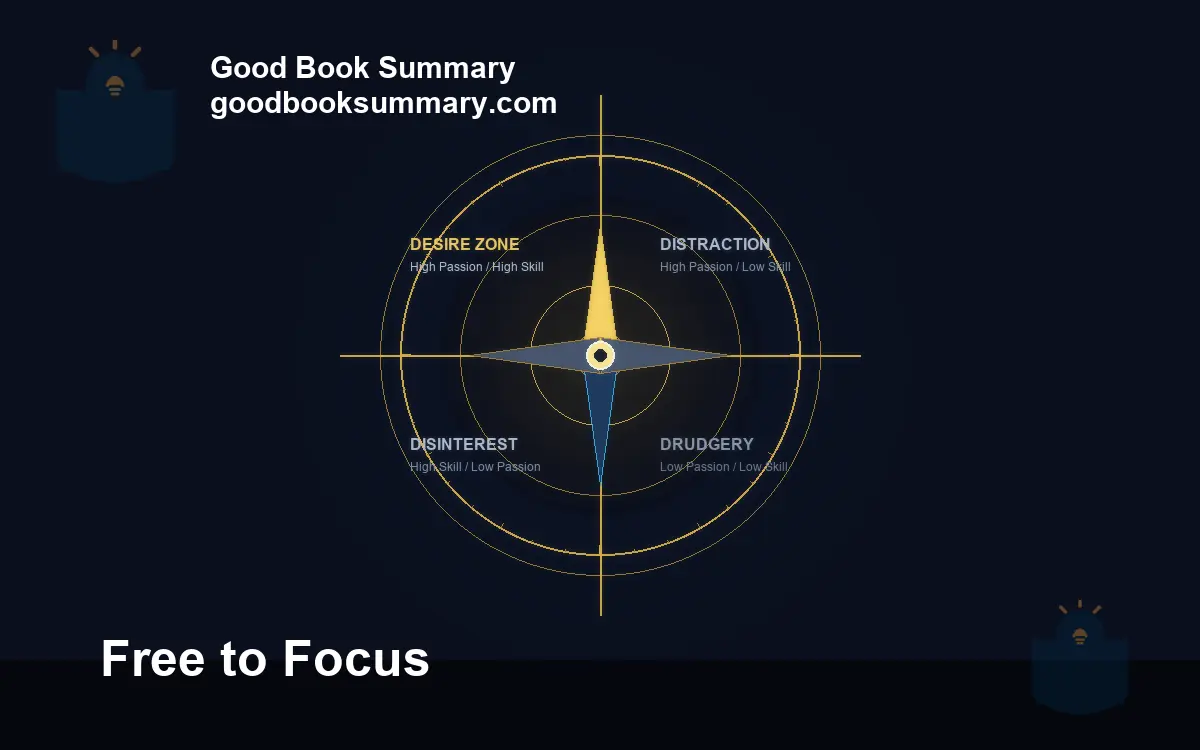
Greg McKeown's Essentialism and Gary Keller and Jay Papasan's The ONE Thing occupy the same shelf for a reason: both books attack the problem of scattered ef...
Thinking, Fast and Slow by Daniel Kahneman and Predictably Irrational by Dan Ariely each dismantle the assumption that people choose rationally, and they do ...
Robin Sharma's The Monk Who Sold His Ferrari and Viktor Frankl's Man's Search for Ultimate Meaning present two distinct but complementary systems for building a purposeful life.
Two very different thinkers arrive at almost the same conclusion. Cal Newport, a computer scientist watching knowledge workers drown in email and open-plan n...
Two of the most influential books on personal change arrived within a few years of each other, and readers still ask which one actually works. James Clear's ...
Tara Westover grew up on a mountain in Idaho without a birth certificate, a classroom, or a doctor's visit to her name. "Educated" traces how a childhood bui...
Phil H. Knight, co-founder and former CEO of Nike, Inc., did not set out to build one of the largest athletic brands on the planet. He set out to test a sing...
Lisa Brennan-Jobs spent her childhood shuttling between two Silicon Valley households that could not have been further apart: a mother who moved thirteen tim...
Steve Jobs left Apple in 1985 as a wealthy twenty-nine-year-old with a ruined reputation, and he returned twelve years later as the architect of the greatest...
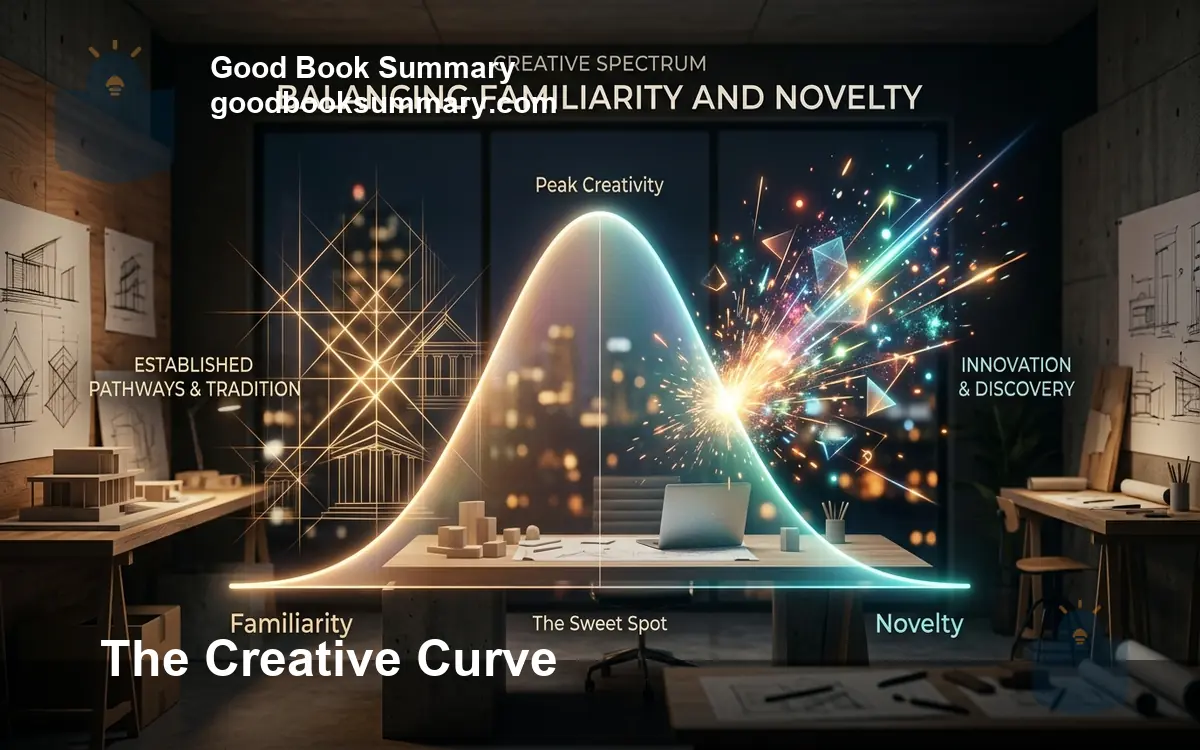
David Epstein's Range challenges one of the most persistent assumptions in modern achievement culture: that early, narrow specialization is the surest path t...
Most career advice rests on a single, unexamined assumption: work hard, hit your targets, and happiness will eventually arrive as a reward. Shawn Achor, a fo...
Nassim Nicholas Taleb built his career studying the moments history refuses to warn us about, and "The Black Swan" is the record of that obsession. The book ...
David Goggins built his reputation not on natural talent but on a willingness to sit inside pain long after most people would have stopped. Can't Hurt Me traces that transformation from a violent, impoverished Buffalo childhood to Navy SEAL training, ultra-endurance racing, and a Guinness World Record attempt, and it does so through a set of repeatable mental tools rather than abstract motivation. Readers looking for a chapter-by-chapter breakdown often stop at the surface-level quotes, missing how the "Accountability Mirror," the "Cookie Jar," and the "40% Rule" actually connect to one another as a single operating system for the mind. Our analysis below reconstructs that system directly from the book's chapter arguments, cases, and frameworks, mapping each concept to a specific moment in Goggins' life where it was tested under real physical stress.
Smartphones promised convenience, yet most people now feel controlled by the very devices meant to serve them. Cal Newport's Digital Minimalism argues that t...